


25 Jan Why Navi Mumbai’s Central Micro‑Markets Are Attracting Serious End‑Users
Over the past few years, Navi Mumbai has emerged as one of the most resilient and robust housing markets in the Mumbai Metropolitan Region (MMR), not just for investors, but increasingly for serious end‑users seeking long‑term homes. Driven by groundbreaking infrastructure, thoughtful city planning, and expanding employment opportunities, central micro‑markets in Navi Mumbai are rewriting the real estate narrative in 2025–26. Let’s explore why these micro‑markets are drawing high‑quality homebuying demand and what makes them desirable for end‑users today.
Strategic Location & Urban Planning
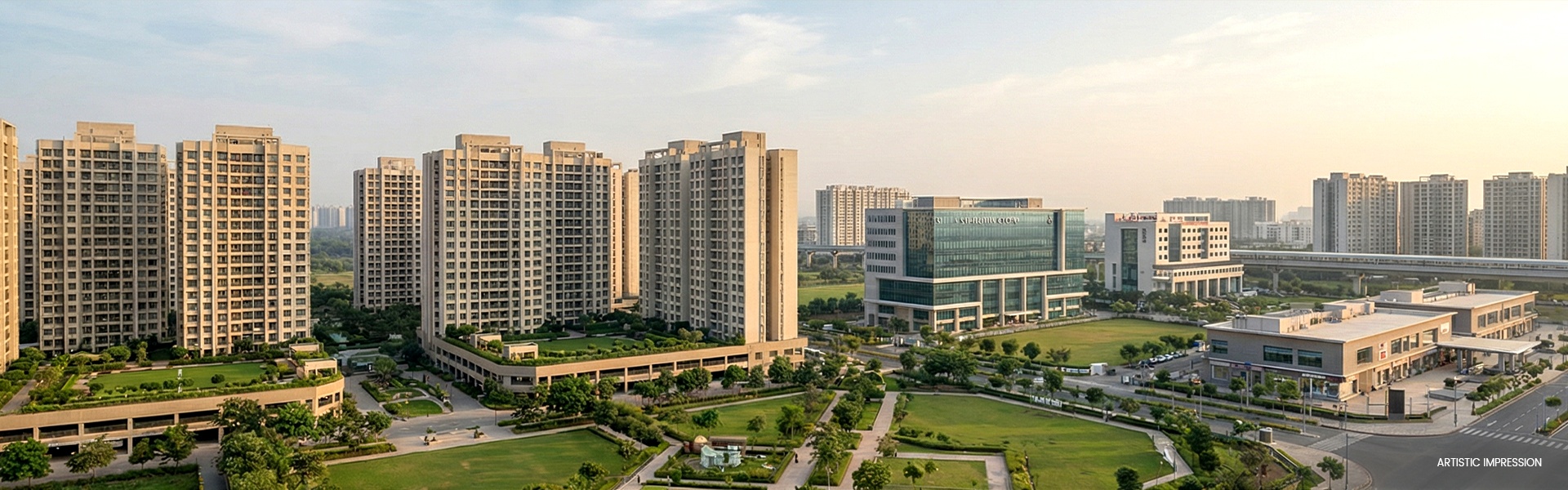
Unlike much of Mumbai’s organic, congested growth, Navi Mumbai was intentionally planned as a satellite city with broad roads, systematic zoning, parks, schools, and civic amenities built into its DNA. Homebuyers place a premium on predictability of growth and urban comfort and Navi Mumbai delivers just that.
- Structured Developments: Much of Navi Mumbai’s core micro‑markets, like Vashi, Nerul, Sanpada, Belapur, Kharghar, Ulw,e and Panvel, benefit from thoughtful layouts and open spaces that are rare in central city pockets. This makes them naturally appealing to families and working professionals seeking better living environments than typical congested urban nodes.
- Civic Infrastructure: New transit hubs, bus terminals, pedestrian‑friendly corridors and localized neighbourhood facilities make daily life easier. For example, the new Vashi Bus Terminal modernizes how residents commute within and beyond Navi Mumbai, enhancing convenience for end‑users.
For homebuyers, this quality of life trumps speculation‑driven price rallies, it’s about living better.
Connectivity — The Lifeblood of End‑User Demand
One of the biggest differentiators for Navi Mumbai’s central micro‑markets is far‑superior connectivity — local, regional, and national.
Mumbai & Beyond
- Road & Rail Networks: Navi Mumbai enjoys robust rail links to Mumbai’s CST and Western Suburbs, along with seamless access to the Mumbai–Pune Expressway, making it easier for daily commuters.
- Public Transit: Upcoming and expanded metro lines, regional transit plans, and improved roads make internal city travel efficient.
Airport Effect
Most pivotal has been the operationalization of the Navi Mumbai International Airport (NMIA), a transformative infrastructure project that is already influencing real estate dynamics.
- Airports don’t just boost job creation, they elevate the perceived livability and future potential of the surrounding micro‑markets. Already, areas within a short drive of NMIA, like Ulwe, Panvel, Kharghar and parts of Airoli, are witnessing strong demand from buyers who want a connected and future‑proof home.
Better connectivity is not just a convenience, it’s a lifestyle enabler for commuters, professionals, and families.
Infrastructure‑Led Growth = Real Demand
The real estate market in Navi Mumbai is increasingly driven by real demand not short‑term speculation.
Steady Price Appreciation
Recent data shows that average apartment prices across Navi Mumbai have risen significantly, a sign of structural demand rather than artificial price spiking:
- Prices climbed from around ₹14,800 per sq. ft in 2021 to about ₹18,100 per sq. ft in 2025, an increase of over 22%. This highlights measured growth rooted in infrastructure execution and livability improvements.
Balanced Growth Across Micro‑Markets
- Mature micro‑markets like Vashi and Seawoods have become some of the most expensive and stable residential hubs in the region, thanks to established amenities and connectivity.
- Emerging zones such as Ulwe and Kharghar are delivering strong incremental gains, supported by new metro stations, schools, hospitals, and lifestyle amenities.
For end‑users, this means their homes are appreciating while still being places they genuinely want to live in, an ideal combination.
Livability & Social Infrastructure
Central micro‑markets in Navi Mumbai are not just about transit and prices — they are about daily life.
Schools, Hospitals & Shopping
- Districts like Nerul, Vashi and Belapur are home to reputable schools, healthcare centers, and retail hubs, crucial for families planning to settle long‑term.
- Modern malls, entertainment venues, and community spaces make these locations lifestyle‑friendly, not just places to sleep.
Green Spaces & Quality of Life
- Unlike traditional, congested urban cores, Navi Mumbai boasts ample parks, lake,s and green buffers that add to the emotional value of these micro‑markets.
For most serious homebuyers, this mix of everyday convenience and lifestyle appeal makes these markets preferable over speculative zones with just price momentum.
Affordability Relative to Mumbai
While parts of Navi Mumbai are rapidly appreciating, they still provide comparative affordability relative to central Mumbai city prices, especially near major transit corridors.
Even premium nodes in Navi Mumbai tend to be far more affordable than equivalent locations in Mumbai’s island city or western suburbs — without major compromises on amenities or connectivity. This affordability draws end‑users willing to trade premium city expenses for better space, infrastructure, and quality of life.
- Buyers can find 2‑BHK and 3‑BHK homes under ₹1 crore in several central micro‑markets, a price segment increasingly rare in central Mumbai.
This pricing dynamic fuels demand from middle‑income earners and professionals who want a home to live in, not just an asset to speculate on.
Job Creation & Commercial Activity Supporting Residency
Beyond residential demand, Navi Mumbai’s central micro‑markets are seeing strong commercial ecosystem growth, which in turn bolsters end‑user confidence to settle locally.
According to market reports, office space demand in Navi Mumbai has risen sharply (by ~40%), reflecting significant corporate interest in the city as a base.
As more companies open offices and hubs here, professionals prefer living nearby, reducing commute stress and improving quality of life, a strong driver of self-use demand.
A Shift from Pure Investors to Self‑Use Buyers
A decade ago, many peripheral or emerging MMR markets were dominated by investors looking for quick returns. Navi Mumbai’s central micro‑markets today show a different profile, a mix of:
- End‑users relocating for quality of life
- Families seeking long‑term homes
- Professionals wanting easy commutes
- Homebuyers drawn by urban amenities, rather than pure investment plays
Sales velocity in localities like Kharghar, Vashi and Ulwe indicates genuine homebuying interest, even as prices climb, suggesting steady self‑use demand rather than purely speculative activity.
Conclusion
Navi Mumbai’s central micro‑markets are no longer just rising dots on a map they are serious homebuying destinations. Supported by strategic infrastructure, thoughtful urban planning, growing commercial activity, and a balanced housing ecosystem, these markets attract buyers who are committed to living and thriving here, not just investing from the sidelines.
FAQs
1. Which are considered central micro-markets in Navi Mumbai?
Central micro-markets typically include Vashi, Nerul, Sanpada, Seawoods, Belapur, Kharghar, Ulwe, and Panvel. These areas are strategically located, well-connected, and have robust social infrastructure.
2. Why are these markets attracting serious end-users?
Factors include excellent connectivity, planned urban layouts, quality social infrastructure (schools, hospitals, malls), green spaces, and steady price appreciation— all appealing to long-term homebuyers rather than just investors.
3. How has the Navi Mumbai International Airport influenced these markets?
The airport has boosted connectivity, employment opportunities, and perceived livability, driving demand for homes in nearby micro-markets like Ulwe, Panvel, and Kharghar.
4. Are these areas affordable compared to Mumbai city?
Yes. Even premium micro-markets in Navi Mumbai generally offer more affordable prices per sq. ft than central Mumbai, without compromising on infrastructure or amenities.
5. What kind of buyers are most active in these micro-markets?
End-users dominate — families seeking quality of life, professionals looking for shorter commutes, and long-term homebuyers focused on livable spaces rather than speculative investment.