


29 Apr How Baner Annex Is Quietly Replacing Emerging Micro-Markets in Pune West
The Shift Isn’t Loud—But It’s Very Real
If you’ve been scanning Pune’s real estate conversations lately, broker calls, WhatsApp groups,even casual coffee discussions, you’ll notice something interesting. A few years ago, everyone
was talking about “the next big micro-market” in West Pune. Wakad extensions, Tathawade,Mahalunge, even parts beyond Hinjawadi, there was always a new name entering the mix.
But lately, that chatter has started settling around one place a little more consistently: Baner
Annex.
Not in a loud, headline-grabbing way. Just quietly becoming the more obvious choice.
Too Many Options, Not Enough Clarity
West Pune has never had a shortage of options. That’s actually been part of the problem.
When too many micro-markets start positioning themselves as “upcoming,” buyers tend to get confused. Everything sounds promising on paper—good future connectivity, planned infrastructure, competitive pricing—but not all of it translates into actual livability.
Over time, people start filtering things differently. Instead of asking “what could this become?”, they start asking “what already works here?”
And that’s where Baner Annex has started pulling ahead.
It Borrows Strength from What’s Already Established
The biggest advantage Baner Annex has is simple, it doesn’t have to build its identity from scratch.
It sits right next to Baner, which is already a proven residential and commercial hub. That means schools, restaurants, healthcare, and social infrastructure are already in place. You’re not waiting for the ecosystem to develop—it’s already there, just a few minutes away.
Compare that to newer micro-markets, where a lot of the promise still depends on future development. That gap between “planned” and “available today” can be a deal-breaker for many buyers.
Baner Annex removes that uncertainty.
Connectivity That Feels Reliable, Not Theoretical
A lot of emerging areas in Pune talk about connectivity in terms of what’s coming—future roads, proposed metro lines, upcoming expansions.
Baner Annex, on the other hand, already works.
Its proximity to the Mumbai–Bangalore Highway makes daily travel more predictable. Hinjawadi IT Park—where a massive chunk of Pune’s working population is based, is still within a manageable commute. And access to places like Aundh, Balewadi, and even central Pune doesn’t feel like a stretch.
That reliability matters more than ambitious future plans.
Because at the end of the day, people don’t live in future infrastructure, they live in what’s usable today.
The “Middle Ground” Buyers Were Looking For
One reason many emerging micro-markets gained attention was pricing. They were more affordable, which naturally attracted buyers.
But affordability often came with trade-offs, longer commutes, limited social infrastructure, or a sense of being too far from the city’s core.
Baner Annex seems to sit right in the middle.
It’s not as expensive as prime Baner, but it also doesn’t feel disconnected like some far-out extensions. That balance is what today’s buyer is actively looking for—something that makes financial sense without compromising too much on daily convenience.
And that’s not easy to find.
Livability Is Starting to Matter More Than “Future
Potential”
There was a time when buyers were willing to take big bets on future growth. Buy early, wait for infrastructure, hope the area develops the way it’s promised.
Now, there’s a noticeable shift.
People want to see signs of life already—occupied buildings, functioning roads, active neighbourhoods. They want to imagine living there now, not five years later.
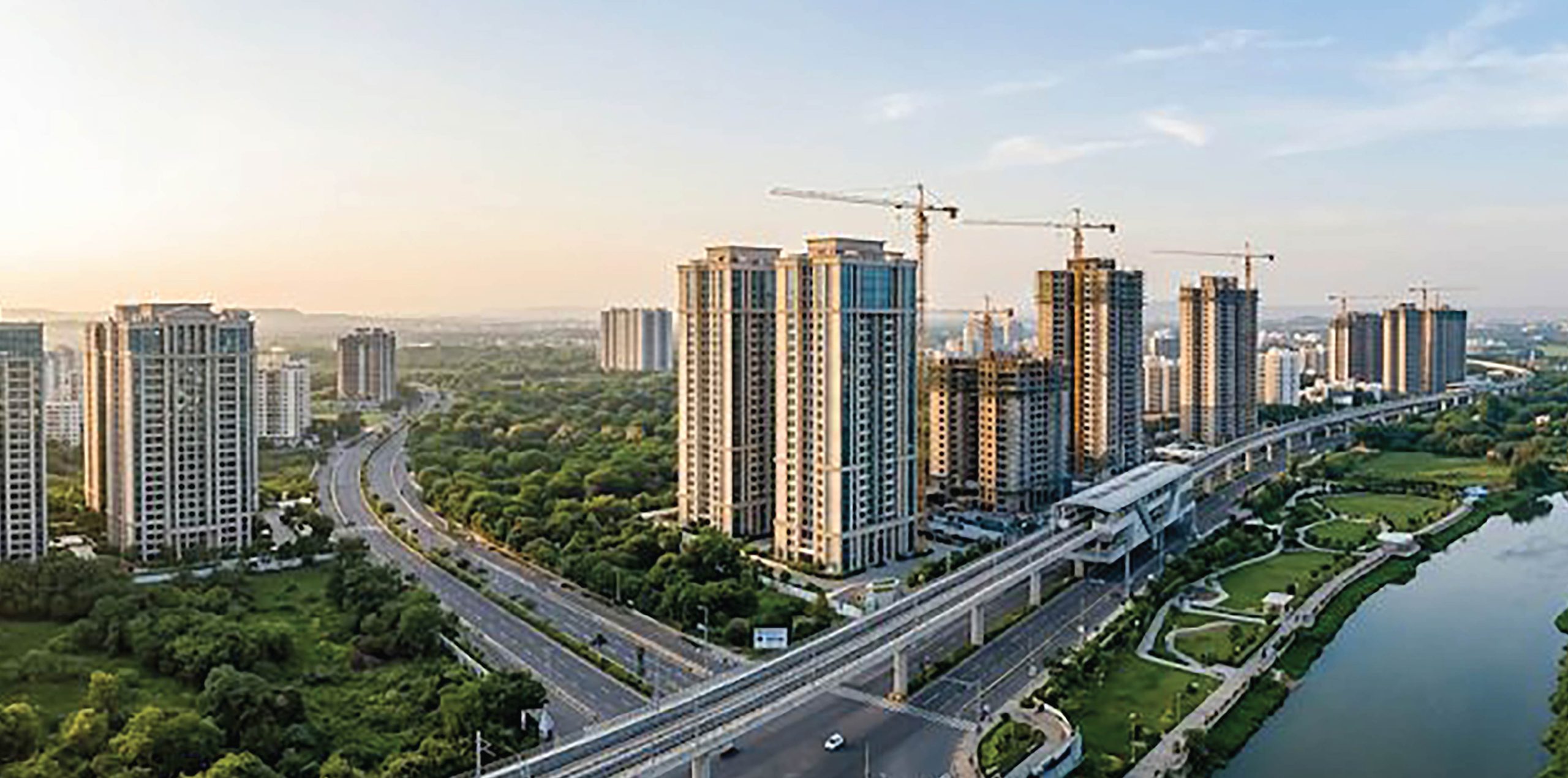
Baner Annex checks that box better than many emerging micro-markets. It’s not fully built out, but it’s not empty either. There’s enough activity to feel real, not speculative.
Developers Are Also Choosing Differently
Another subtle indicator of where a market is headed is developer interest.
In newer, far-out micro-markets, projects often feel constrained, either by smaller land parcels or by the need to keep costs low to attract buyers.
In Baner Annex, there’s a noticeable difference in approach. Developers are taking advantage of larger land parcels to create more expansive layouts, better spacing between towers, and a stronger focus on open areas.
This changes the overall character of the neighbourhood. It doesn’t feel like a patchwork of projects, it starts feeling more cohesive.
And that, over time, influences buyer perception in a big way.
Numbers Still Support the Story
Even if you step away from observation and look at data, the direction becomes clearer.
Pune continues to be one of India’s stronger residential markets, with over 90,000 property registrations recorded annually in recent years. A significant portion of this demand has been concentrated in the western corridor, Baner, Wakad, Hinjawadi, and surrounding areas.
Property prices in Baner have steadily appreciated, often growing at around 8–12% annually depending on the segment. Naturally, nearby areas like Baner Annex begin to benefit from that
spillover effect.
This isn’t a sudden spike—it’s a gradual shift backed by consistent demand.
The “Feel” Factor That’s Hard to Measure
Beyond data, infrastructure, and pricing, there’s something else that influences decisions: the way a place feels.
Some emerging micro-markets in Pune still feel like they’re waiting to become something. Wide roads, new buildings, but not enough life yet.
Baner Annex doesn’t feel that way.
It feels like it’s already part of the city, just slightly less crowded. There’s movement, there’s activity, but it hasn’t reached the overwhelming density of more established areas.
That in-between stage is often where people find the most value.
It’s Not Replacing—It’s Overtaking Naturally
To say Baner Annex is “replacing” other micro-markets might sound dramatic. What’s actually happening is more organic.
Buyers are simply gravitating toward what makes more sense.
When you compare:
- Established ecosystem vs developing one
- Reliable connectivity vs promised connectivity
- Balanced pricing vs extreme affordability or high premiums
Baner Annex often ends up being the more comfortable choice.
So it’s not pushing other micro-markets out, it’s just becoming the default option more often.
Where This Leaves the Buyer
For someone evaluating West Pune today, the decision-making process has become slightly clearer than it was a few years ago.
Instead of choosing between too many “future bets,” there’s now an option that offers a bit of both—present-day convenience and future growth.
That’s exactly where Baner Annex sits.
And that’s why it’s quietly moving ahead without needing to say much.
Sources
This article is based on insights from Knight Frank India residential reports, ANAROCK Pune market analyses, Maharashtra Government property registration data, and widely referenced industry estimates related to Hinjawadi’s workforce and West Pune’s growth trends.
FAQs
1. Why is Baner Annex gaining more attention than other micro-markets?
Because it offers a mix of existing infrastructure, connectivity, and growth potential—without the uncertainty that comes with completely new areas.
2. How does Baner Annex compare to Wakad or Tathawade?
While Wakad and Tathawade offer affordability, Baner Annex provides better proximity to established hubs like Baner and Aundh, along with stronger social infrastructure.
3. Is Baner Annex still considered an emerging market?
Yes, but it’s at a more advanced stage compared to many other emerging micro-markets in West Pune.
4. What kind of buyers are choosing Baner Annex?
Mostly IT professionals, families, and investors who want a balance between connectivity, lifestyle, and long-term value.
5. Will Baner Annex property prices increase further?
Given its location and growing demand, it is likely to see continued appreciation, especially as development progresses.