

Designed as one of India’s most thoughtfully planned urban regions, Navi Mumbai offers more than just homes—it offers a future-ready lifestyle defined by infrastructure, connectivity, and long-term value.
For homebuyers and investors alike, flats in Navi Mumbai represent a balanced proposition: livability today, appreciation tomorrow.
Over the past decade, Navi Mumbai has steadily evolved into a preferred destination for modern homebuyers. Its planned sectors, wider roads, open spaces, and organised urban design set it apart from traditional city expansions.
From affordable 2 BHK homes to spacious 3 BHK residences, apartments in Navi Mumbai cater to a wide spectrum of lifestyles—making it a city where families grow and investments mature.
What was once envisioned as a satellite city has now become a thriving residential and commercial ecosystem. The transformation of Navi Mumbai is powered by two major infrastructure catalysts that are redefining the region’s future.
What was once envisioned as a satellite city has now become a thriving residential and commercial ecosystem. The transformation of Navi Mumbai is powered by two major infrastructure catalysts that are redefining the region’s future.
The upcoming international airport is one of the most significant growth drivers for the region. It is expected to:
Globally, residential markets around new airports experience accelerated value growth—and Navi Mumbai is already witnessing this shift.
India’s longest sea bridge has already transformed connectivity between Mumbai and Navi Mumbai by:
Together, NMIA and MTHL have transitioned Navi Mumbai from a future city into a present-day residential powerhouse.
For today’s buyer, Navi Mumbai is no longer a speculative choice—it is a clear, visible growth story already in motion.
Within Navi Mumbai, Juinagar has emerged as a strategically located residential hub.
Its proximity to key nodes such as Vashi, Nerul, and Sanpada makes it highly attractive for both residents and investors.
Key Advantages of Juinagar
As a result, apartments in Juinagar are increasingly viewed as value-driven alternatives to saturated markets.
A 2 BHK in Navi Mumbai continues to be the most preferred configuration due to its balance of affordability and usability. It is ideal for:
In locations like Juinagar, 2 BHK homes deliver strong occupancy demand and long-term usability.
For families upgrading their lifestyle, 3 BHK apartments offer:
Demand for larger homes has grown steadily, especially in well-connected nodes where pricing remains rational compared to Mumbai.
Affordability in Navi Mumbai is not just about ticket size—it is about value per square foot. Buyers benefit from:
This makes affordable flats in Navi Mumbai an ideal choice for first-time buyers and long-term investors.
New and upcoming projects in Navi Mumbai offer buyers a strategic advantage:
In particular, upcoming projects in Juinagar stand out due to their location advantage and infrastructure-driven growth outlook.
Among the notable residential developments in the region, Raheja Jade City in Juinagar by K Raheja Corp Homes reflects a commitment to thoughtful planning and long-term livability.
The project is designed around:
For buyers, this ensures both construction confidence and enduring asset value.
From an investment standpoint, Juinagar offers:
This positions property in Juinagar as a stable, long-term wealth-building asset.
From its structured planning to its transformative infrastructure, Navi Mumbai continues to redefine urban living in the Mumbai Metropolitan Region.
Whether you are exploring flats in Navi Mumbai, evaluating apartments in Juinagar, or planning a future-ready investment, the region offers:
Clarity. Stability. Growth.
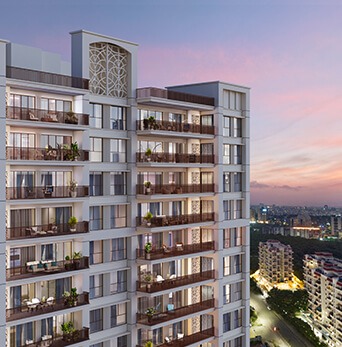
 Off NIBM, Pune
 4 Bed Limited Residences
A contemporary residential offering designed to integrate modern architecture with comfortable living spaces, crafted for today’s urban families.
Visit Raheja Helios
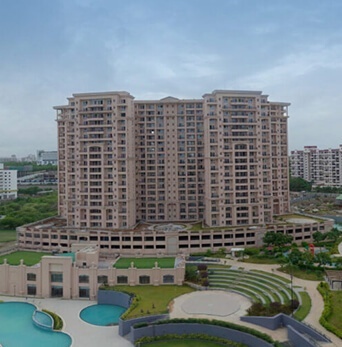 Off NIBM, PuneULTRA LUXE 2 AND 3 BED RESIDENCES
A well-planned residential development that balances functional design with everyday convenience, offering homes suited for long-term living.
Visit Raheja Galaxy
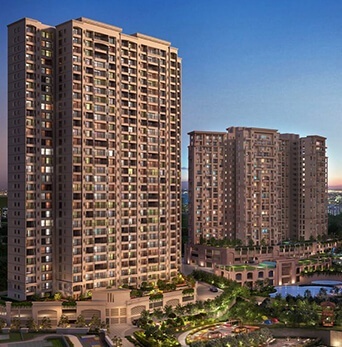 Off NIBM, Pune4 Bed Ultra Luxe Residences
Focused on delivering refined living experiences, Raheja Stellar reflects a commitment to thoughtful planning, connectivity, and lifestyle-oriented amenities.
Visit Raheja Stellar
 Off NIBM, Pune 2BHK Homes with 2 Sundecks
A residential project that emphasises comfort, efficiency, and a well-rounded lifestyle—ideal for families seeking quality living within Pune’s evolving landscape.
Together, these developments reflect K Raheja Corp Homes’ approach to creating residential spaces that go beyond structures, offering environments designed for everyday living, long-term value, and future growth.
Visit Raheja Sterling
Yes, due to its connectivity, infrastructure, and strong residential demand.
Yes, Navi Mumbai offers better value per square foot with planned infrastructure.
2 BHK suits rental and first-time buyers, while 3 BHK is ideal for long-term family living.
Yes, early-stage entry typically provides stronger appreciation potential.
Yes, it enjoys rail and road connectivity to major commercial districts across Navi Mumbai and Mumbai.